← all cities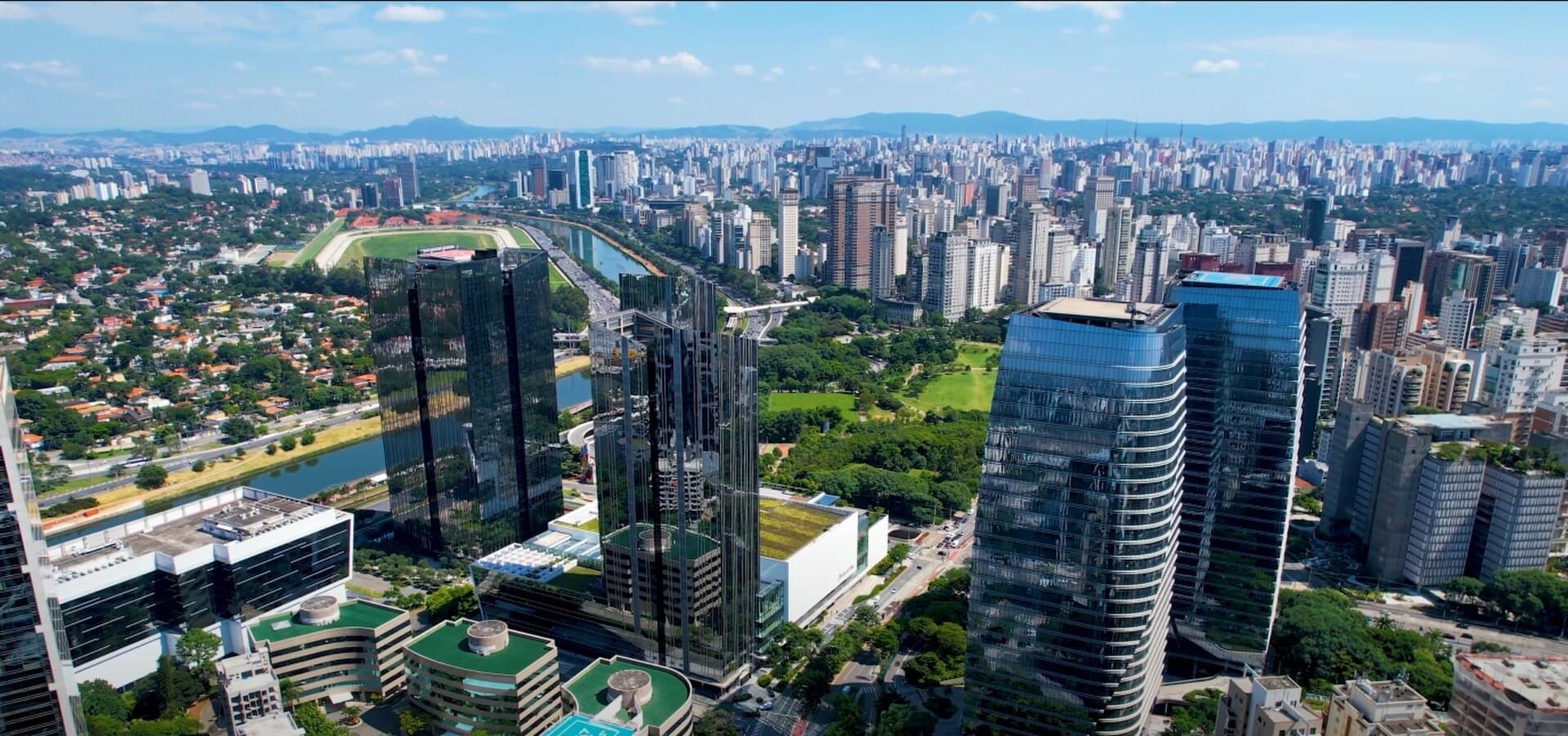
SP · Southeast
São Paulo
citycultureparty
Sao Paulo is the Latin American business capital, a 12-million-person sprawl where nomads cluster in Pinheiros, Vila Madalena, and Jardins for walkable cafes and the country's densest coworking inventory. Come here for restaurants, fiber, and direct flights, not beaches or scenery. Traffic and grey winters (Jun-Aug) are the honest trade-off.
cost—airbnb—temp19.6°Crain152d/yr
Climate
Avg humidity
78%open-meteo
Rainy days per year
152 daysopen-meteo
Avg temperature
19.6°Copen-meteo
Coolest month avg
15.9°Copen-meteo
Warmest month avg
22.3°Copen-meteo
Connectivity
Median download
234 Mbpsresearched (estimated)
Mobile download
70 Mbpsresearched (estimated)
Median upload
130 Mbpsresearched (estimated)
Guide
Where to stay
Vila Madalena
Bohemian, art-and-bar district popular with creatives and remote workers; great cafes, lots of nightlife.
Pinheiros
Adjacent to Vila Madalena, denser coworking and restaurant scene, well-served by the yellow metro line.
Jardins
Upscale, leafy, safer-feeling, walkable to Avenida Paulista; best for nomads who want comfort over scene.
Vila Mariana / Paraíso
Quieter residential, good metro access, cheaper than Jardins but still central.
Famous for
Best food city in Latin America — Japanese, Italian, Lebanese, and Brazilian regional all top-tierAvenida Paulista and the cultural axis (MASP, SESC)Brazil's financial and tech capitalMassive Japanese diaspora (Liberdade)Underground music, art, and nightlife scenes
Getting around
- •Metro is the best in Brazil — clean, fast, and the only realistic way to cross the city at rush hour.
- •Uber and 99 are everywhere; rides outside rush hour are quick and cheap.
- •Traffic is legendary — never plan a meeting that requires driving across town at 6pm.
- •Bike lanes have expanded but car culture still dominates; cycling is for the brave.
- •Avoid driving yourself — parking is expensive and the rules are unforgiving.
Practical tips
- •English is more common than in the rest of Brazil but still patchy outside business districts.
- •PIX dominates; many places no longer accept cash.
- •It's much safer than its reputation in the central/west zones, but phone snatching exists.
- •Tipping is 10%, usually included as 'serviço'.
- •Weather is unpredictable year-round — 'four seasons in a day' is real, pack layers.
Pros
- ✓Best infrastructure in Brazil — internet, healthcare, coworking, gyms.
- ✓Genuine cultural depth: art, food, music, theater.
- ✓Largest professional network in Latin America for tech/business nomads.
- ✓Direct flights from GRU to almost anywhere.
Cons
- ✕Grey, vertical, sprawling — visually exhausting if you came for beaches.
- ✕Pollution and noise are noticeable on longer stays.
- ✕No nearby ocean — coast is a 1.5-2 hour drive.
- ✕Cost of living in Jardins/Pinheiros now rivals second-tier US cities.
Updated 2026-06-07 · high confidence
Photo: Agent010 · CC BY-SA 4.0 · Wikimedia Commons