← all cities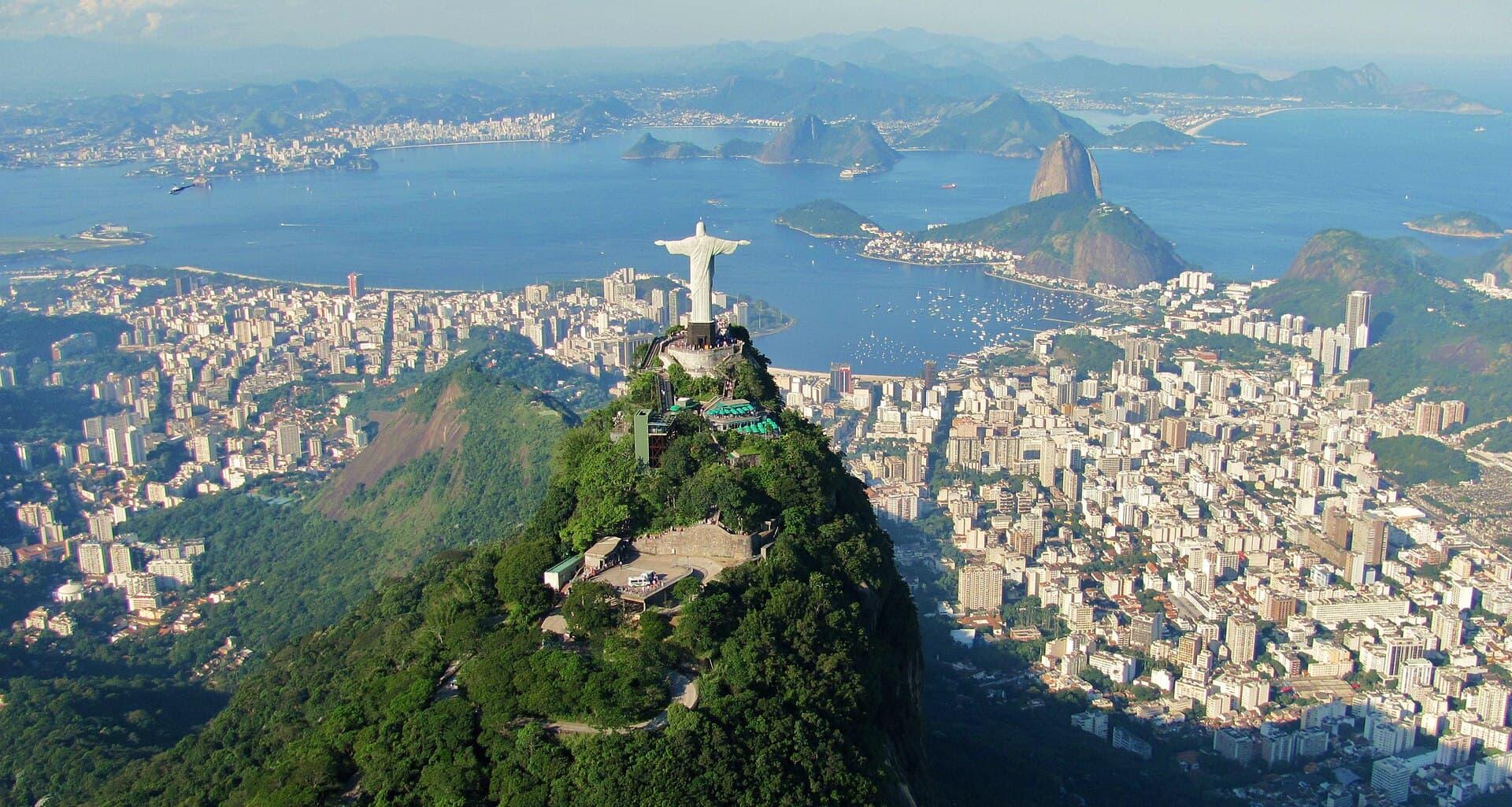
RJ · Southeast
Rio de Janeiro
beachcitypartyculture
Rio is the cultural capital nomads pick when they want a real city instead of a beach town, with Ipanema, Leblon, and Botafogo absorbing most of the remote-work crowd. The draw is unmatched: Atlantic Forest hikes, samba and bossa scenes, and Brazil's deepest food and nightlife stack inside one zona sul radius. Street awareness matters more here than anywhere else on this list.
cost—airbnb—temp23.6°Crain132d/yr
Climate
Avg humidity
80%open-meteo
Rainy days per year
132 daysopen-meteo
Avg temperature
23.6°Copen-meteo
Coolest month avg
20.6°Copen-meteo
Warmest month avg
26.6°Copen-meteo
Connectivity
Median download
220 Mbpsresearched (estimated)
Mobile download
60 Mbpsresearched (estimated)
Median upload
120 Mbpsresearched (estimated)
Guide
Where to stay
Ipanema
Upscale beachfront, walkable, safest of the Zona Sul beach neighborhoods, dense cafe and restaurant scene.
Leblon
Adjacent to Ipanema, quieter and more residential, highest rents in Rio.
Copacabana
Cheaper than Ipanema, busier and more touristy, mixed safety block by block.
Botafogo
Hip inland neighborhood with the best cafe/coworking density and a younger crowd; not beachfront but close to everything via metro.
Santa Teresa
Bohemian hillside with colonial houses and artists, charming but isolated and the streets get sketchy after dark.
Famous for
Copacabana and Ipanema beachesChrist the Redeemer and SugarloafCarnaval (February/March)Bossa nova and samba heritageFavelas and dramatic mountain-meets-ocean geography
Getting around
- •Metro is clean, safe, and the fastest option for the Zona Sul-Centro axis; buy a Giro card.
- •Uber and 99 are cheap and the default; locals use them even for short hops to avoid taxi haggling.
- •Buses cover everywhere the metro doesn't but are crowded and a known pickpocket environment.
- •Walking Ipanema/Leblon/Copacabana is fine in daylight; avoid empty side streets at night.
- •Don't rent a car — parking is a nightmare and traffic is brutal.
Practical tips
- •English is limited outside hotels and Zona Sul tourist spots; basic Portuguese helps a lot.
- •PIX is universal and the preferred payment everywhere, including beach vendors.
- •Phone snatching is the #1 risk — don't walk with your phone visible, especially near the beach.
- •Tipping is 10% and usually auto-added to the bill as 'serviço'.
- •Tap water is not drinkable; buy filtered or use a Brita.
Pros
- ✓Beach lifestyle inside a major metro — rare globally.
- ✓Massive expat and digital nomad community, easy to plug in.
- ✓Tons of cafes, coworkings, and 24/7 services.
- ✓Direct international flights from GIG to US and Europe.
Cons
- ✕Real and persistent petty crime; situational awareness is mandatory.
- ✕Income inequality is jarring and visible everywhere.
- ✕Summer (Dec-Feb) is brutally hot and humid with packed beaches and price spikes.
- ✕Traffic and bureaucracy can wear you down on longer stays.
Updated 2026-06-07 · high confidence
Photo: Rafael Rabello de Barros · CC BY-SA 3.0 · Wikimedia Commons