← all cities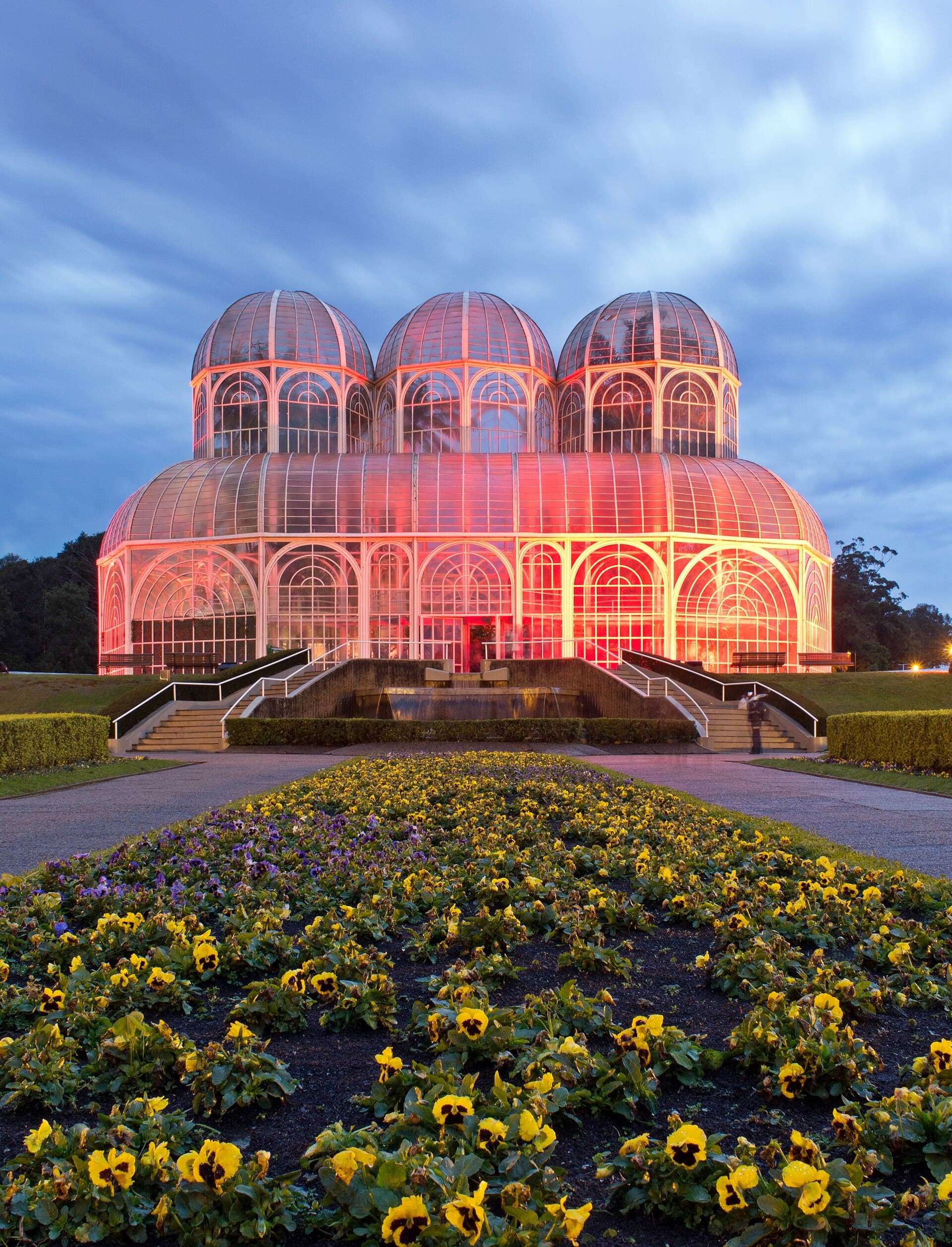
PR · South
Curitiba
cityculturequiet
Curitiba is the capital of Parana and Brazil's reference city for urban planning, with BRT corridors, parks every few blocks, and a tidy, walkable center that feels closer to southern Europe than the rest of Brazil. Nomads come for safety, infrastructure, and a low-friction quality of life at a fraction of Floripa prices. Winters (Jun-Aug) actually get cold by Brazilian standards, sometimes near freezing.
cost—airbnb—temp17.5°Crain176d/yr
Climate
Avg humidity
83%open-meteo
Rainy days per year
176 daysopen-meteo
Avg temperature
17.5°Copen-meteo
Coolest month avg
13.3°Copen-meteo
Warmest month avg
20.9°Copen-meteo
Connectivity
Median download
238 Mbpsresearched (estimated)
Mobile download
55 Mbpsresearched (estimated)
Median upload
130 Mbpsresearched (estimated)
Guide
Where to stay
Batel
Upscale, walkable, best cafe/restaurant density; the default nomad neighborhood.
Centro / Centro Cívico
Government and cultural core, cheaper, well-connected by BRT.
Água Verde
Residential and family-oriented, quiet, mid-priced.
São Francisco / Largo da Ordem
Historic Bohemian district near Centro, lively weekend market, charming pousadas.
Famous for
Urban planning model — BRT and parks copied worldwideParque Tanguá and Jardim Botânico greenhouseSerra Verde Express train through Atlantic Forest to MorretesStrong European immigrant heritageConsidered the 'cleanest' and most organized Brazilian city
Getting around
- •BRT (Linha Verde, Linha Vermelha) is Brazil's pioneer rapid bus system — efficient and cheap.
- •Walkable in central neighborhoods; bike infrastructure is the best in Brazil.
- •Uber and 99 work well and are cheaper than in Rio/SP.
- •Curitiba airport (CWB) is 20 min from center, easy access.
- •Trains: tourist Serra Verde Express to Morretes is a must-do day trip.
Practical tips
- •Coldest Brazilian metro — winter (Jun-Aug) drops to single digits; bring layers.
- •Considered the safest major Brazilian city; vibe is more European than Brazilian coast.
- •Strong Italian, German, Polish, Ukrainian heritage — visible in food and architecture.
- •PIX universal; English is limited but locals are patient.
- •Mate (chimarrão) culture is real here — try it at the Largo da Ordem market on Sundays.
Pros
- ✓Best quality-of-life infrastructure in Brazil.
- ✓Genuinely safe — walking at night is normal.
- ✓Cheaper than SP/Rio with comparable amenities.
- ✓Easy access to Atlantic Forest, beaches (Paraná coast 1h), Iguaçu (flights).
Cons
- ✕Grey and rainy much of the year; the climate is a known complaint.
- ✕Smaller international community.
- ✕Less 'exciting' than Rio or SP — locals call it boring.
- ✕Public transit good but not as dense as SP metro for cross-city.
Updated 2026-06-07 · high confidence
Photo: Rodrigo Argenton · CC BY-SA 4.0 · Wikimedia Commons